 EN
EN 
What is Field Concrete Pouring and Why Is It Important?
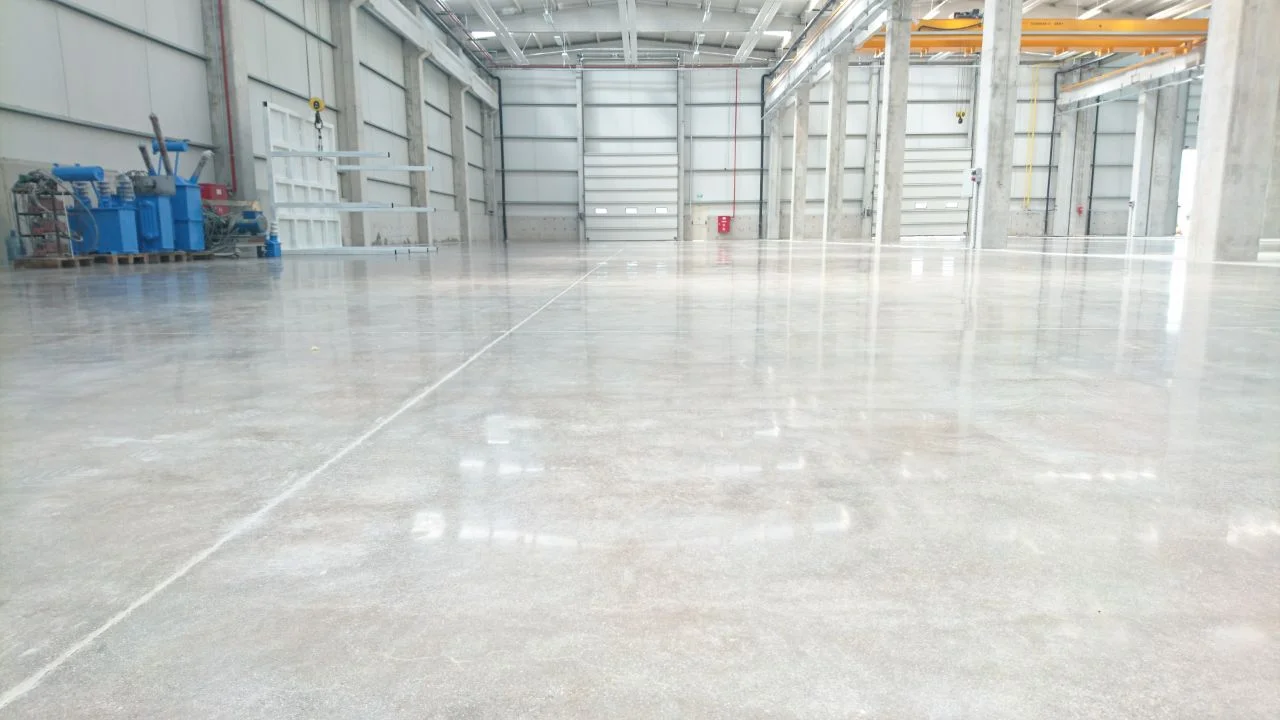
Field concrete pouring is the process of laying concrete over large areas to create a smooth and durable floor. This method, frequently preferred in industrial and commercial areas such as factories, warehouses, parking lots, and sports halls, increases the floor's strength, ensures long-lasting use, and creates a suitable sub-structure for subsequent processes like floor polishing. Properly applied field concrete pouring prevents the floor from cracking, dusting, and wearing out, providing long-term cost savings for businesses.
Detailed Preparations Before Field Concrete Pouring
The foundation of a successful field concrete pour is laid by the meticulous preparation phase. This phase directly impacts the concrete's performance and the floor's lifespan.
Soil Survey and Leveling
The ground of the area to be applied is examined in detail. If necessary, the ground level is adjusted with soil filling or excavation, and the load-bearing capacity of the ground is increased by compaction.
Sub-base Formation
A homogeneous layer is created under the concrete by laying compacted stabilized material (crushed stone, gravel, etc.). This layer increases the load-bearing capacity of the ground and helps insulate against moisture that may come from under the concrete.
Insulation and Vapor Barrier
Appropriate membranes are laid for moisture and water insulation to prevent moisture penetration from under the concrete. This extends the concrete's lifespan and minimizes potential moisture-related problems.
Formwork System and Joint Planning
The boundaries of the area where concrete will be poured are determined, and sturdy formwork is placed. Expansion and contraction joints are pre-planned and marked to prevent the concrete from cracking.
Reinforcement Application
Steel mesh or rebar is placed to increase the tensile strength of the concrete and control crack formation. Spacers ensure they remain in the correct position within the concrete.
Field Concrete Pouring Stages
Once preparations are complete, the critical stages of field concrete pouring begin:
Concrete Ordering and Transport
C-class concrete, suitable for project requirements, is ordered from a reliable supplier. It is important for the concrete to maintain its quality during transport to the construction site.
Concrete Placement and Vibration
Concrete is laid to an even thickness in the pouring area. Vibrators are used to remove air bubbles within the concrete and ensure its compaction. This process is vital for the concrete's durability.
Screeding and Topping Application
The concrete surface is brought to the desired level and smoothness with special screeds and machines. Afterwards, a surface hardener (topping/screed) can be applied to increase the surface's durability and abrasion resistance.
Troweling (Power Floating)
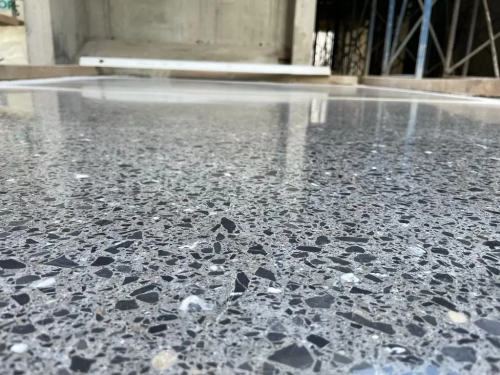
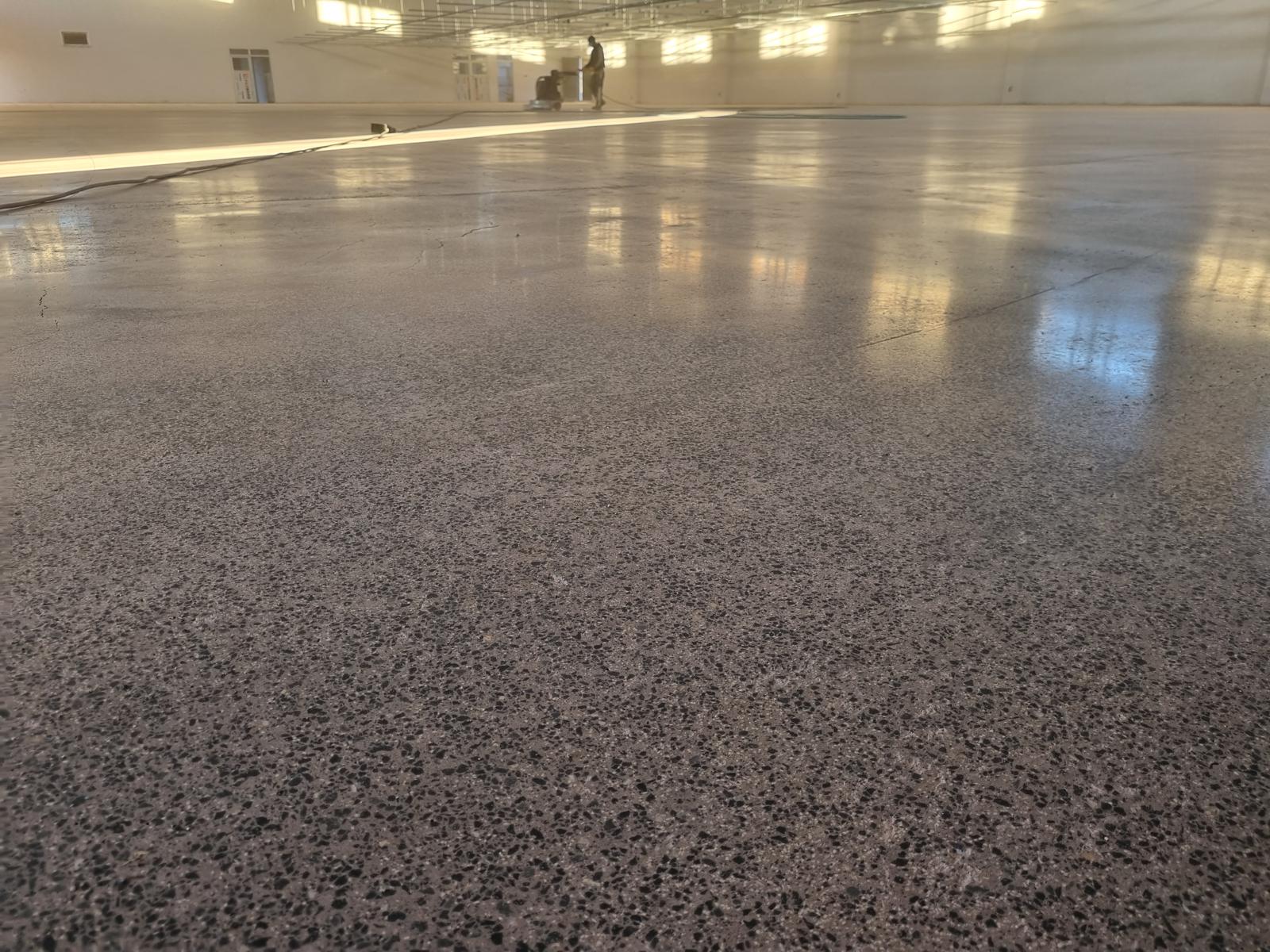
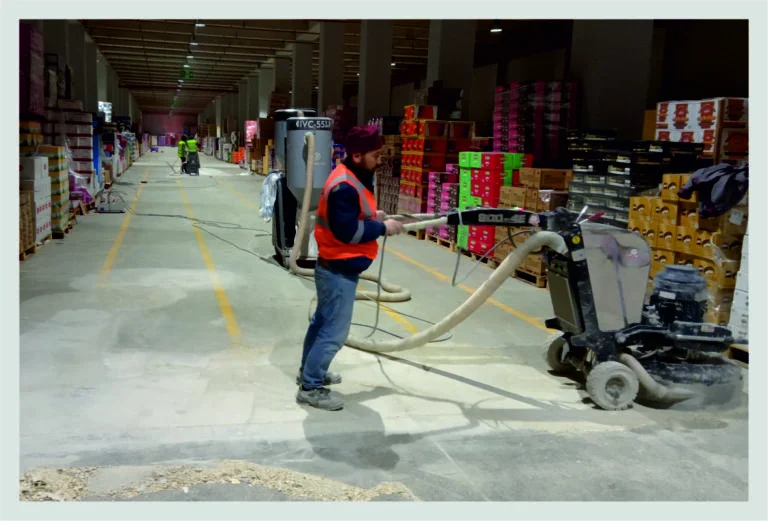
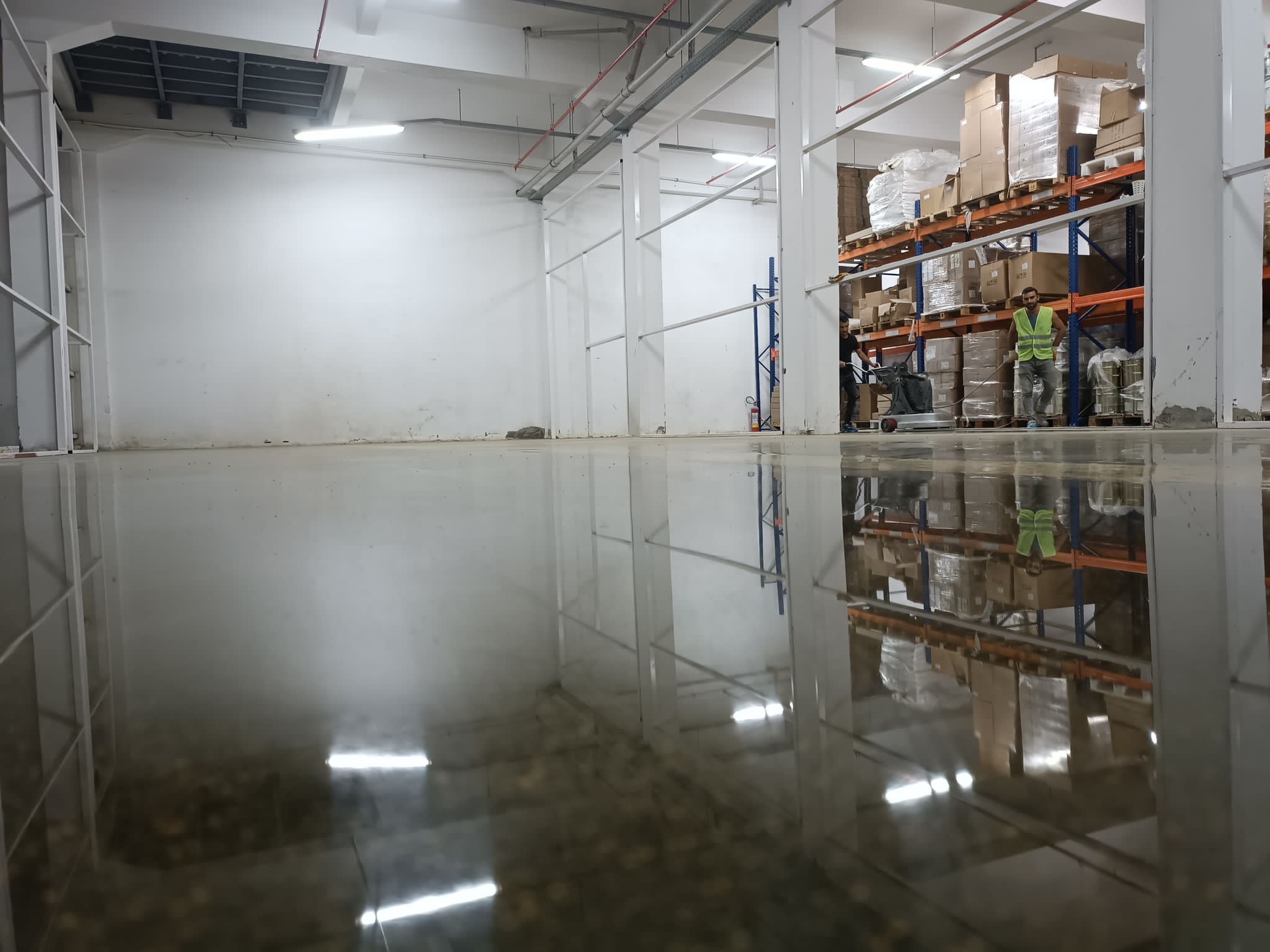
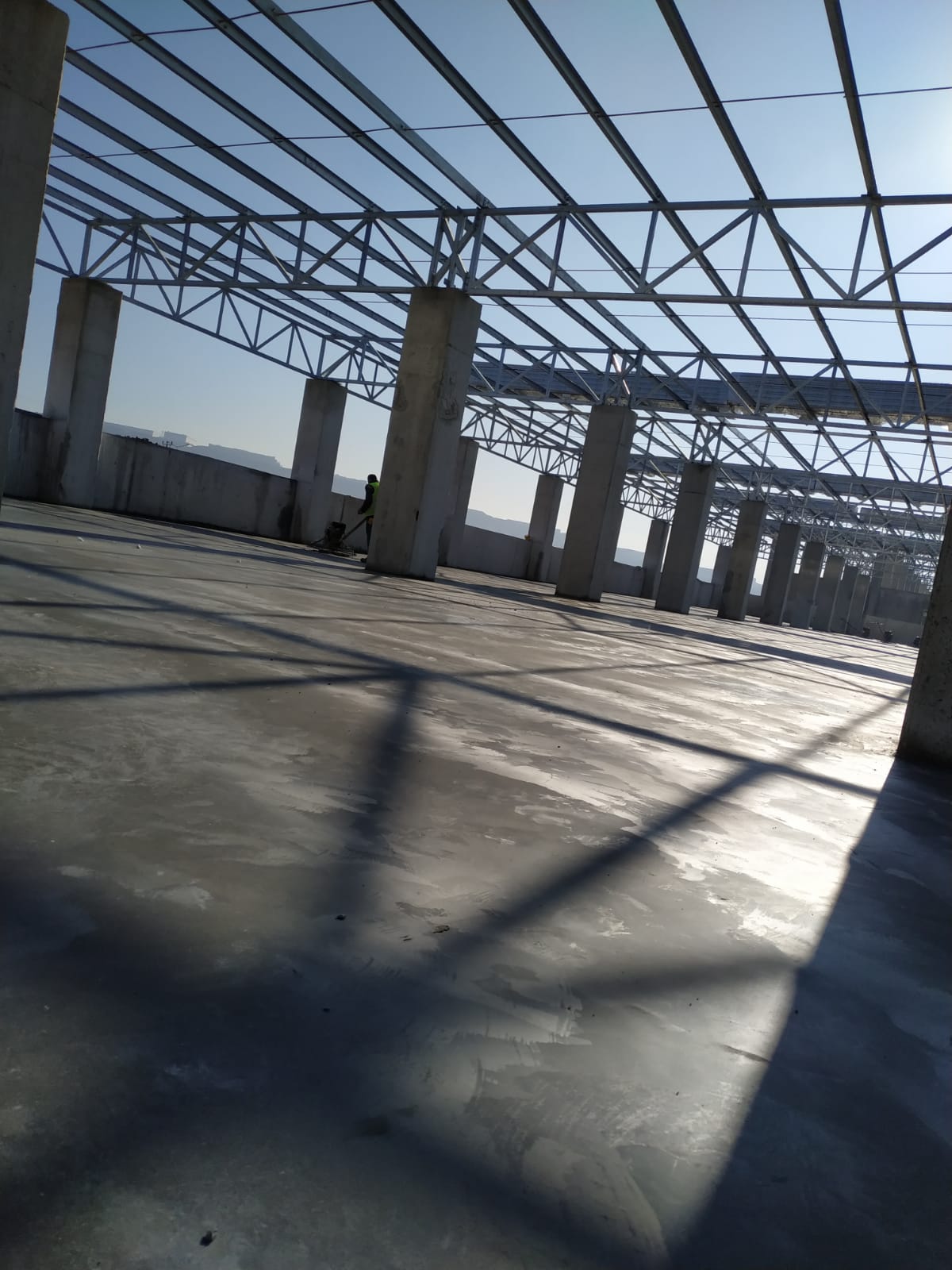
Power trowels (helicopter trowels) are used to make the concrete surface smooth and shiny. This process both improves the aesthetic appearance of the floor and reduces dusting by increasing the surface's density.
Concrete Curing and Maintenance: The Secret to Long-Lasting Floors
Another stage as important as field concrete pouring is concrete curing. Newly poured concrete needs to be kept moist to prevent sudden water loss and allow its chemical reactions to complete. This process is usually done by water spraying, covering with wet blankets, or using curing compounds. Concrete that is not adequately cured is prone to cracking, surface dusting, and low strength.
Common Mistakes in Field Concrete Pouring and Their Solutions
- Inadequate Ground Preparation: Leads to settlement and cracks in the floor. Prevented by a good survey and compaction.
- Incorrect Joint Application: Causes uncontrolled cracking of the concrete. Properly planned and cut joints are essential.
- Wrong Concrete Mix: Results in low strength and surface defects. Project-appropriate, quality concrete must be used.
- Insufficient Curing: Leads to surface dusting and early cracks. The concrete must be kept moist.
Why You Should Get Professional Help?
Field concrete pouring is a complex process that requires expertise, experience, and the right equipment. Incorrect applications can lead to difficult-to-remedy and costly problems. Working with professional companies like Zeminparlatma.com.tr ensures that the right steps are taken from the beginning to the end of your project, high-quality materials are used, and your floor serves you flawlessly for many years. Expert teams provide solutions tailored to your project's specific needs, saving you time and cost.